Recognising Taonga with AI
Recognising individual kākā by sight and sound
Overview
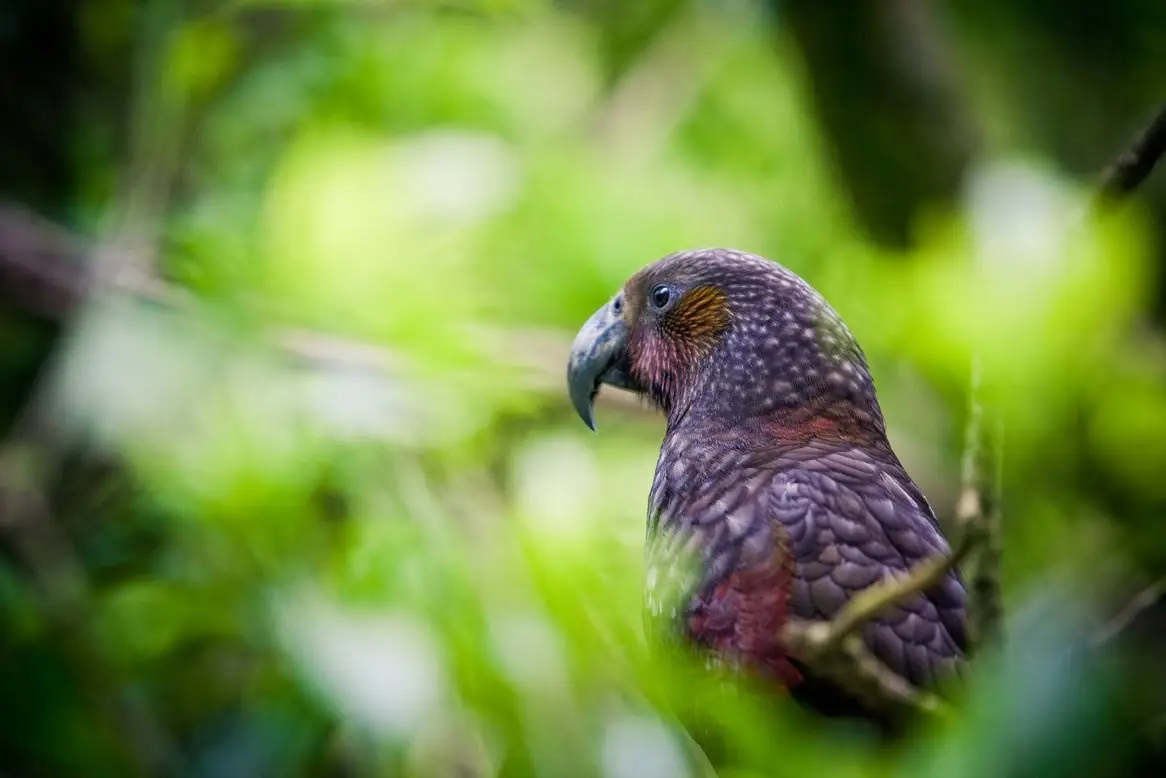
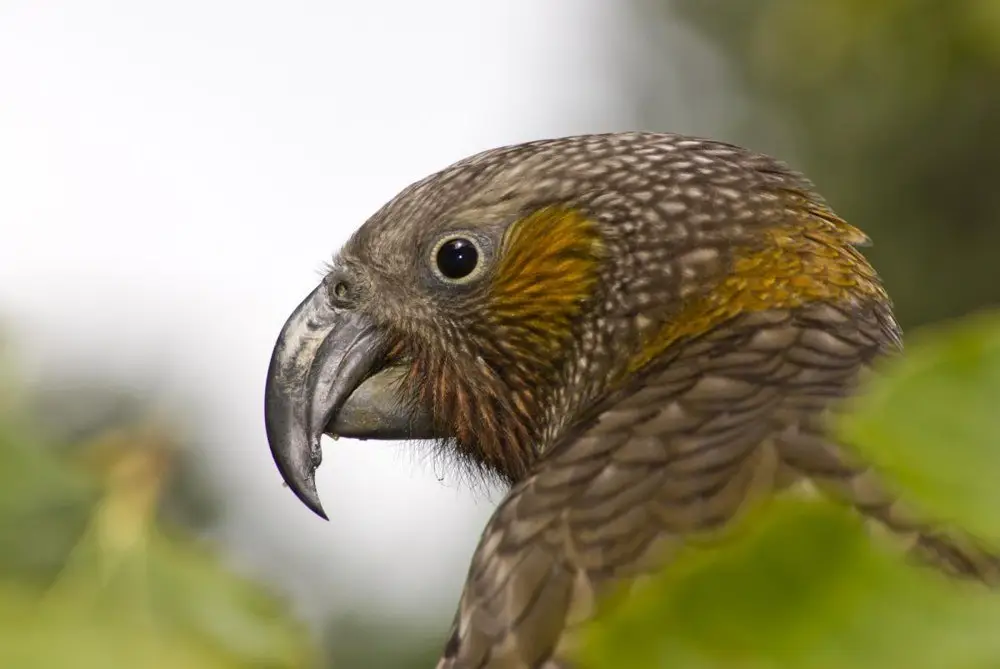
Wellington has regained a taonga. Kākā were gone from the city by the 1990s; after reintroduction to Zealandia Te Māra a Tāne in the 2000s they now nest and forage across the suburbs. But urban kākā face novel threats: new diseases, unintentional poisoning from the brodifacoum baits used in mammal control, and conflict with people. Understanding and mitigating those threats requires data on individual birds, and the standard tool for that, catching and leg-banding, is slow, stressful for the animal, and largely infeasible outside the sanctuary. Very few kākā in the city are banded, so we know little about their movements, survival, or how many are eating bait.
This project, funded by a $1M MBIE Smart Ideas grant and co-led with Dr Rachael Shaw, is building the first AI tool for recognising individual birds without manual banding. Because we work with wild birds and no pre-labelled individuals, the methods are unsupervised, and because kākā lack the obvious markings that make re-identification easy in other non-bird species, this is a challenging problem. The programme has three strands: developing the AI, using it to answer ecological questions about urban kākā, and a Māori-led mātauranga strand. Partners at Zealandia, Wellington City Council, and Greater Wellington Regional Council are the end users, and Taranaki Whānui are partners in the research. With initiatives such as Predator Free 2050 expected to grow native bird populations sharply, monitoring methods that only work at small scale will not be enough.
Themes
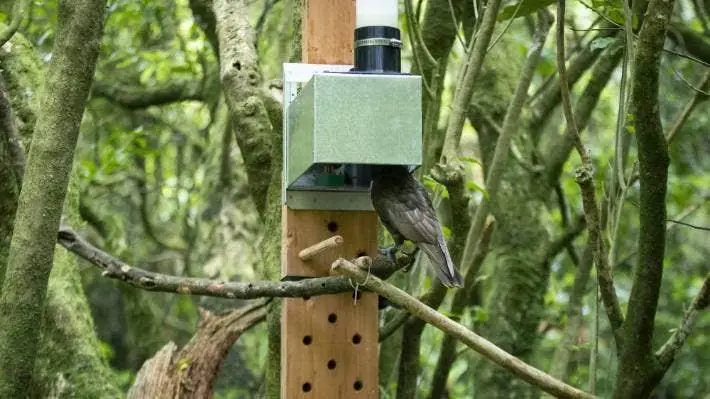
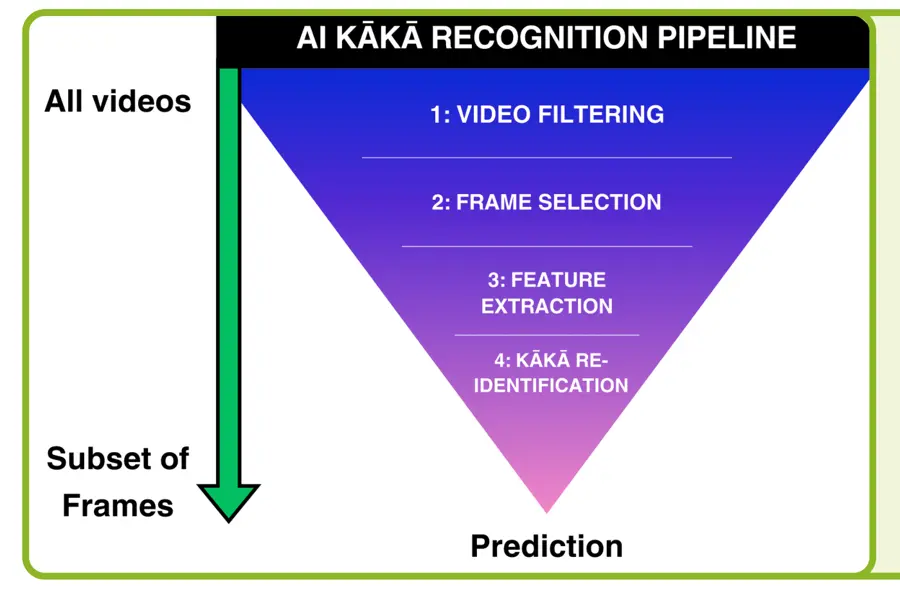
- Re-identifying kākā from video. We built and deployed a smart feeder that records video of visiting kākā, and with Paula Maddigan and Oskar Ehrhardt developed a pipeline that turns that footage into re-identifications. It combines object detection (YOLO and Grounding DINO), optical-flow blur detection, DINOv2 image encoding, and clustering to select a small set of representative key frames per visit, then matches individuals across visits. On footage from three recording periods, the DINOv2-based model re-identified individuals with accuracy above 90%, outperforming the classical SIFT matching we started from, and its patch embeddings let us show which parts of the bird the model relies on.
- From the feeder to the wild. Nicolas Samelson's PhD, with Dr Rachael Shaw and Dr Junhong (Jennifer) Zhao, takes recognition beyond the controlled setting of a feeder to kākā filmed in the wild, where pose, lighting, distance, and background vary far more. Abigail Clennell's MSc uses explainable AI analysis to investigate how a bird's pose and posture affect re-identification.
- Urban threats and pest control. Ryan Jaggers's PhD, with Dr Rachael Shaw, applies re-identification to new ecological questions, such as how many of Wellington's kākā are eating brodifacoum bait, and whether it is a few individuals or a population-wide habit. Using trail cameras at bait stations and three years of observations, he is estimating the size of the unbanded urban population, mapping which birds visit which stations, and testing whether social groups and learning drive the behaviour. The arrival of avian influenza, and Zealandia's decision to stop supplementary feeding in response, gives the work an unplanned natural experiment.
- What kākā sound like. Fraser Campbell's PhD, with Dr Rachael Shaw, studies the vocal dialects of New Zealand kākā, and asks whether calls can complement images for recognising and monitoring birds.
- Where it started. Fintan O'Sullivan's Honours project showed that local image features, in particular around the beak, could match photographs of the same kākā without any labels, which established that the problem was tractable and set the direction for everything since.
Aotearoa context
Kākā are taonga for Māori. Before colonisation they were personified as atua, kept as pets, and were a major food source, and a rich body of mātauranga grew from centuries of close observation. Historical accounts capture only a small part of it: the transmission of that knowledge was disrupted by colonisation, by the collapse of kākā populations, and by laws that ended traditional harvesting. Now that the kākā's voice is part of the city's soundscape again, the Māori-led strand of this programme, led by Terese McLeod (Taranaki Whānui, Zealandia), asks how AI can help re-establish biocultural relationships and support tangata whenua in reconnecting with kākā as kaitiaki, and whether digital observations of where kākā go and what they do can help fill the gap in mātauranga for kākā in urban Te Whanganui-a-Tara.
The tool is being co-developed with Māori, and follows Māori data sovereignty principles, holds annual hui to build the cultural competence of the whole team, and shares what it learns with iwi and conservation practitioners as it goes.
In the media
- Purpose-built facial recognition software aims to identify individual kākā, Stuff
- How artificial intelligence may help NZ birds, RNZ
- Our Changing World: Putting AI to use in Aotearoa, RNZ
- Find out how AI is helping identify bird song, RNZ Afternoons
- Forty Names For Kākā, New Zealand Geographic
Team

Dr Andrew Lensen
Co-PI, Senior Lecturer in Artificial Intelligence
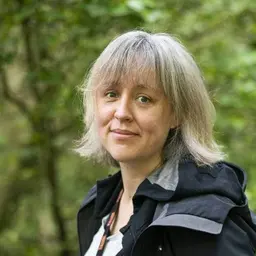
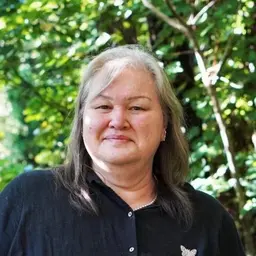
Terese McLeod
Mātauranga lead; Lead Ranger Bicultural Engagement, Zealandia Te Māra a Tāne (Taranaki Whānui, Clan McLeod)

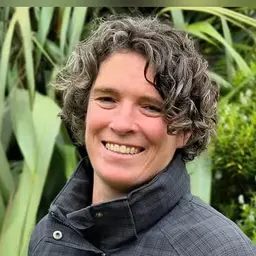
Dr Danielle Shanahan
CEO of Zealandia Te Māra a Tāne and Adjunct Professor; co-designs the ecological research

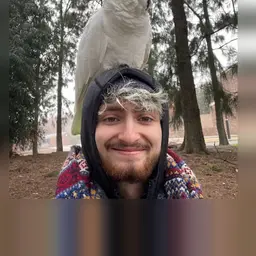
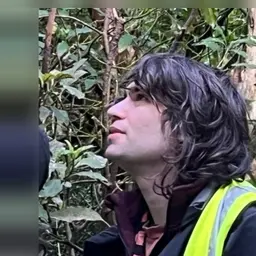
Ryan Jaggers
PhD student: kākā re-identification and interactions with urban pest control

Abigail Clennell
MSc student: pose, posture, and explainable re-identification
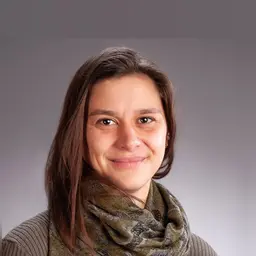
Kahurangi Cronin
Researcher: mātauranga strand

Selected outputs
- Maddigan, P., Lensen, A., & Shaw, R. C. (2025). Re-Identifying Kākā with AI-Automated Video Key Frame Extraction. arXiv:2510.08775 PDF
- Maddigan, P., Ehrhardt, O., Lensen, A., & Shaw, R. C. (2024). Re-Identification of Individual Kākā: An Explainable DINO-Based Model. IVCNZ. PDF
- O'Sullivan, F., Escott, K.-R., Shaw, R. C., & Lensen, A. (2023). Feature-based Image Matching for Identifying Individual Kākā. arXiv:2301.06678 PDF
See the publications page for the full list.